Trauma therapy & counselling, Kelowna, BC
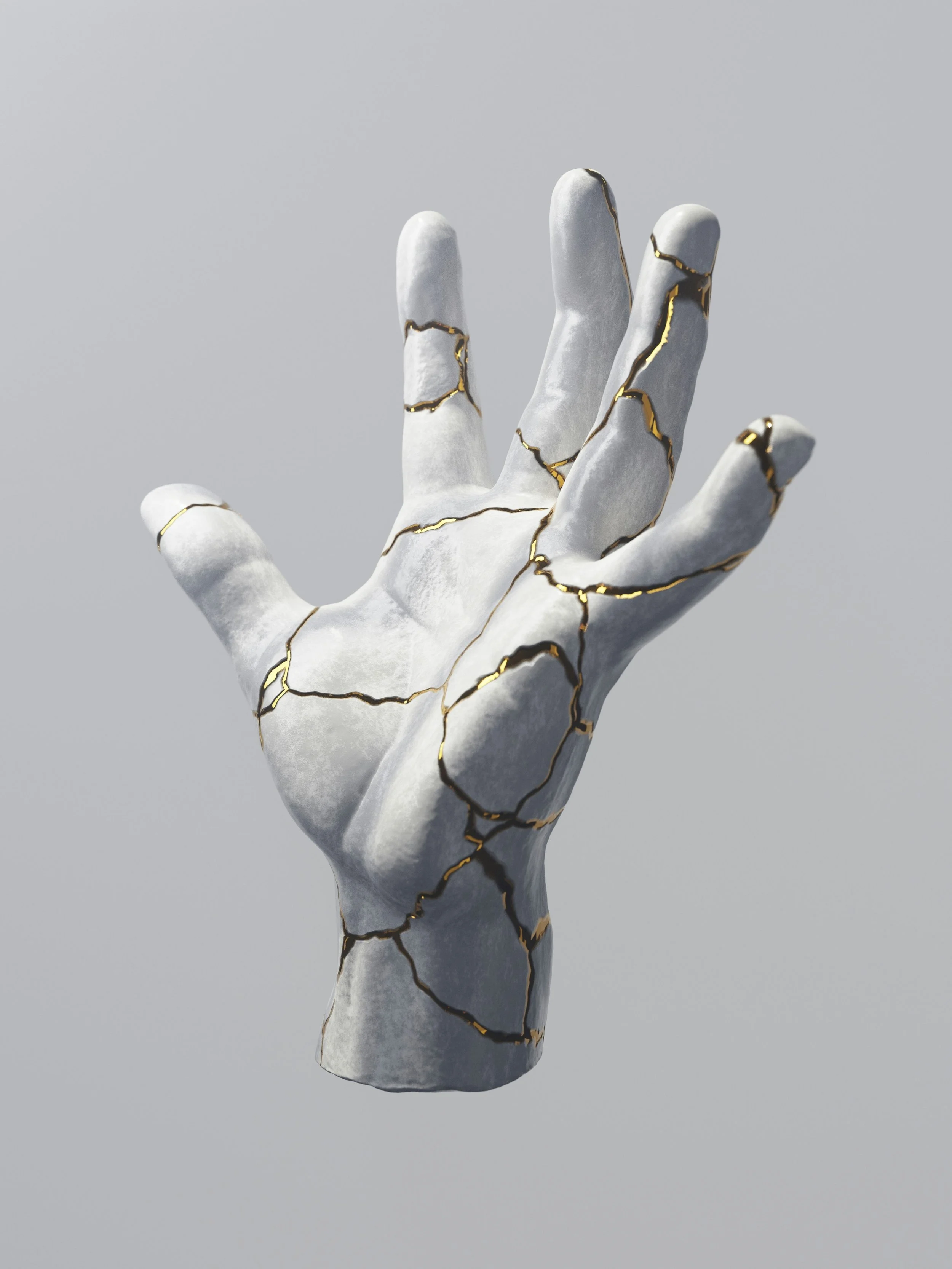
you can understand why you feel this way and still find yourself reacting as though you're back there.
some experiences stay with us long after they're over. They can shape how we see ourselves, how safe we feel with other people, and how we respond when life gets difficult.
maybe you find yourself second-guessing everything, struggling to trust people, feeling responsible for everyone's happiness or reacting more intensely than you'd like. Perhaps you know your past is affecting you, but you're not quite sure how to move forward.
trauma-informed therapy offers a space to make sense of these patterns without judging yourself for having them. Together, we can explore what you've been carrying, build a greater sense of safety and self-trust, and help you feel more present in the life you're living now.
Does any of this sound familiar?
you don't need to have experienced one defining event for your experiences to have affected you. Sometimes, the impact comes from what happened repeatedly, what was missing, or what you had to learn to do to get through.
you might recognise yourself in some of these experiences:
you overthink conversations, decisions or other people's reactions, trying to make sure you've got everything right.
you find it difficult to trust your own feelings, instincts or judgement.
you feel responsible for keeping other people happy, calm or comfortable.
you struggle to set boundaries, even when you know you need them.
you feel anxious, guarded or on edge, even when nothing particularly bad seems to be happening.
you criticise yourself for having needs, making mistakes or feeling too much.
you find yourself repeating relationship patterns you'd hoped to leave behind.
you avoid conflict, or find that conflict brings up feelings that seem bigger than the situation itself.
you understand your experiences intellectually, but still feel caught in familiar emotional patterns.
you want to feel closer to people, but vulnerability can feel uncomfortable or unsafe.
you might relate to all of these, a few of them, or none of them exactly. The important thing isn't whether you fit a particular description. It's whether something you've experienced is still affecting how you feel, relate or move through the world.
your reactions may have a history.
sometimes, the things we struggle with today began as ways of coping with something difficult.
perhaps being agreeable helped you avoid conflict. Maybe staying alert to other people's moods helped you anticipate what was coming. Perfectionism might have offered a sense of control when other things felt unpredictable. Keeping your needs to yourself might have felt safer than risking disappointment or rejection.
these patterns can make sense in the context in which they developed. They may even have helped you get through difficult experiences.
but a strategy that once helped you cope can become exhausting when you have to keep using it, even when your circumstances have changed.
therapy isn't about judging the ways you've learned to cope. It's about understanding them, recognising what you need now, and creating more choices in how you respond.
what trauma therapy can help you explore.
trauma can affect different people in different ways. Our work will be shaped around your experiences, your needs and what you'd like to feel differently in your life.
🫱🏽🫲🏽building self-trust
learn to recognise your feelings and needs, make decisions with greater confidence, and rely less on constant second-guessing or external reassurance.
☑️understanding your responses
explore why certain situations trigger anxiety, overwhelm, shutdown or intense emotions, grieve for the past, and develop ways to respond that feel supportive.
🧑🏼🧑🏽🧒🏽creating healthier relationships
explore people-pleasing, fear of conflict, boundaries, attachment patterns and the tension between wanting closeness and protecting yourself from getting hurt.
💚softening self-criticism
understand the inner critic and the pressure to get everything right, while developing a more compassionate relationship with yourself.
🌻making room for the present
gradually work towards feeling more grounded in your current life, rather than having past experiences dictate so much of how you feel today.
therapy that works at your pace.
you don't need to tell your whole story in the first session. You don't need to revisit every painful memory, and you don't need to have everything figured out before we begin.
trauma-informed therapy recognises the importance of choice, collaboration, emotional safety and moving at a pace that feels manageable. We'll pay attention to what feels helpful, what feels overwhelming and what you need along the way.
depending on your goals and circumstances, our work may involve understanding patterns in your life, building skills to manage difficult emotions, exploring the experiences that shaped your beliefs about yourself, or processing particular memories when appropriate.
the aim isn't to force you to relive the past. It's to help you understand its impact and develop more freedom in how you live today
my approach.
I draw on different therapeutic approaches, adapting our work to your needs rather than expecting you to fit a particular method.
EMDR: May help you process distressing experiences and memories that continue to affect how you feel in the present.
Internal Family Systems (IFS): Helps you understand different parts of yourself, such as the inner critic, the people-pleaser or the part that feels constantly on guard, with greater curiosity and compassion.
Cognitive Behavioural Therapy (CBT): Helps you recognise patterns of thinking and behaviour that contribute to anxiety, avoidance and self-doubt.
Dialectical Behaviour Therapy (DBT): Offers practical skills for managing intense emotions, tolerating distress and navigating relationships more effectively.
we'll talk together about what feels appropriate for you. Not every approach suits every person, and you don't have to use a particular therapy just because it has a name.
when the past shows up in the present.
not all trauma comes from a single frightening or overwhelming event. Sometimes, its impact develops through relationships or environments where you didn't consistently feel safe, accepted, understood or supported.
perhaps you grew up feeling you had to be the responsible one. Maybe affection felt conditional, emotions were dismissed, conflict felt unpredictable, or there wasn't much room for your needs. You might have learned to keep the peace, achieve more, stay quiet or become very good at reading other people.
you may have carried those same expectations into adulthood, even when they're no longer serving you.
exploring these experiences doesn't mean blaming your family or deciding that your past defines you. It means making sense of what you learned about yourself, other people and relationships, so you can decide what you want to carry forward and what you're ready to leave behind.
you can have compassion for the circumstances that shaped you while still acknowledging how they affected you.
you weren't supposed to have to cope with everything alone.
when you've spent years being capable, accommodating or self-sufficient, it can be difficult to recognise just how much effort it takes to keep everything going.
you might minimise what you've experienced because other people had it worse. You might tell yourself you should be over it by now, or feel frustrated that something from the past still affects you.
but understanding your experiences isn't about proving that they were bad enough to count. And healing isn't a test of how quickly you can move on.
therapy offers space to understand yourself without having to justify your feelings, minimise your experiences or turn every struggle into another thing you need to improve about yourself.
you deserve support, even when you're the person everyone else relies on.
FAQ
-
no, trauma can be associated with a single event, repeated difficult experiences or ongoing relationship patterns that have affected your sense of safety and self-worth. You don't need a particular diagnosis or label to explore how your experiences affect you today.
-
not if you don’t feel comfortable to. You choose what you're comfortable sharing, and we can begin with what you're experiencing now. Some therapeutic approaches involve working with memories, but we can discuss the options and move at a pace that feels manageable for you.
-
It can. Difficult experiences may contribute to feeling on edge, anticipating problems, seeking reassurance, struggling with uncertainty or being highly alert to other people's reactions. Anxiety has many possible contributing factors, so we'll explore your individual experience rather than assume everything comes from trauma.
-
trauma therapy is a broad term for therapeutic work that addresses the impact of difficult or distressing experiences. EMDR is one specific therapeutic approach that may be used as part of that work. We can discuss whether it might be appropriate for you and consider other approaches as well.
-
yes, I offer online counselling to clients across British Columbia, as well as in-person sessions in Kelowna. We'll consider which format best suits your circumstances and needs.
you are allowed to have a life that isn't organised around getting through the next difficult thing.
you can't change what happened, but you can begin to understand how it has shaped you. With the right support, it may become easier to trust yourself, feel more secure in your relationships and respond to the present without being pulled so strongly into the past.
you don't have to figure it all out before reaching out.